
Research Group
Synaptic Proteostasis
News
Research
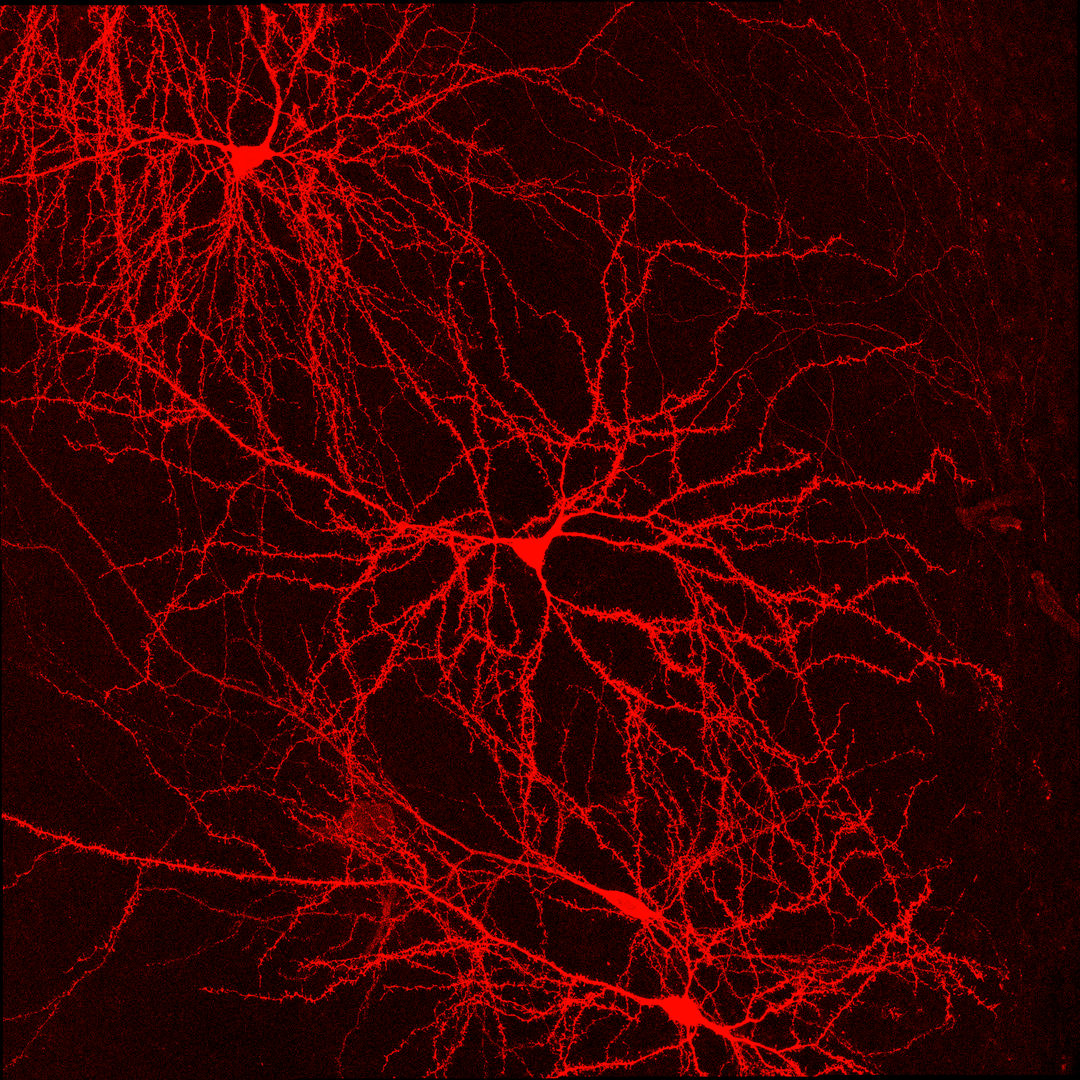
The Grochowska lab was funded in 2025. We investigate machineries regulating protein balance in the central nervous system. Of particular interests are neurons, postmitotic cells characterized by complex cytoarchitecture, with long dendrites and axons supporting the activity of thousands of synapses. Using fluorescence microscopy techniques we decipher neuronal mechanisms regulating protein degradation and how the disruption of these processes can contribute to the onset of age-related, neurodegenerative diseases.
Lysosomal exocytosis of metastable proteins to control synaptic function
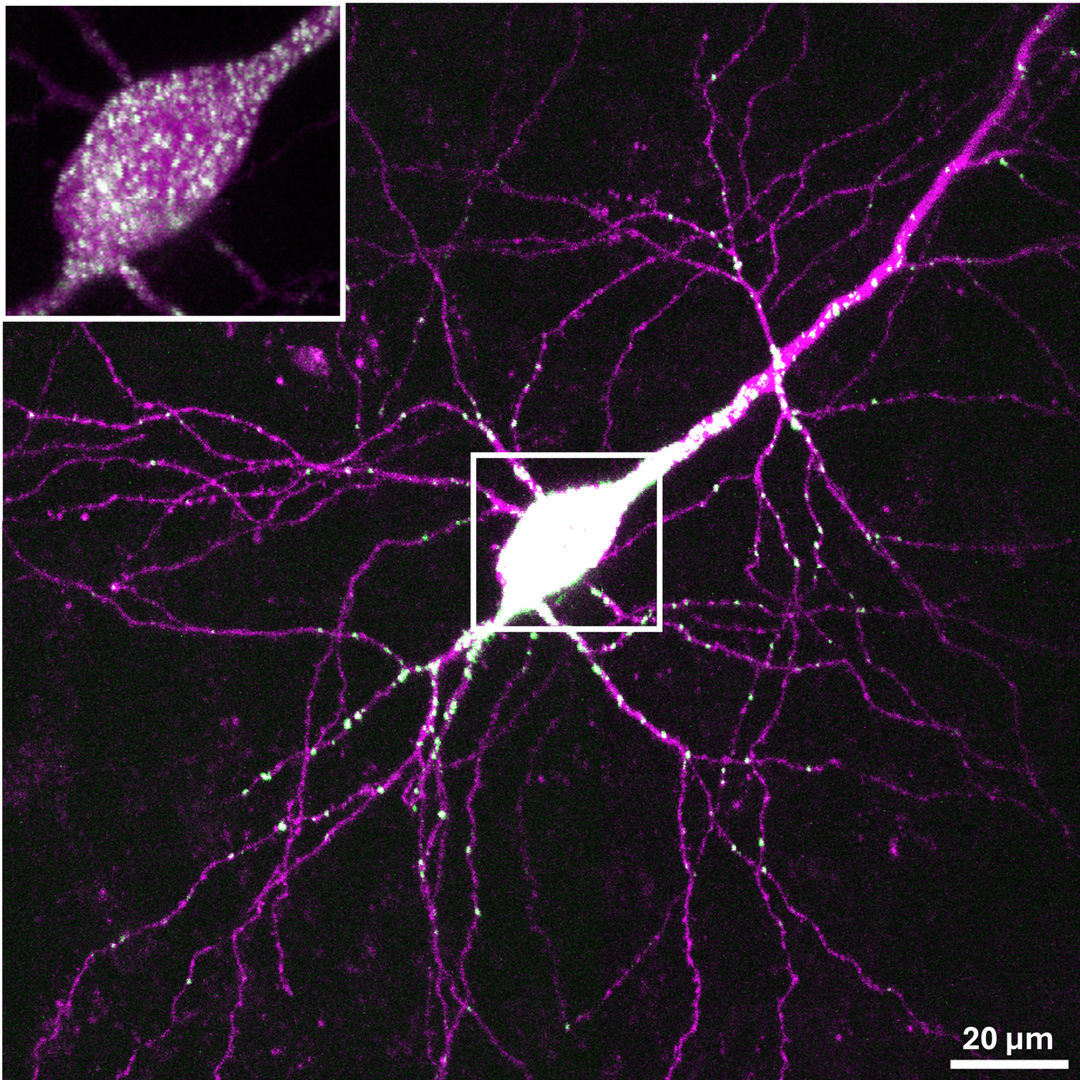
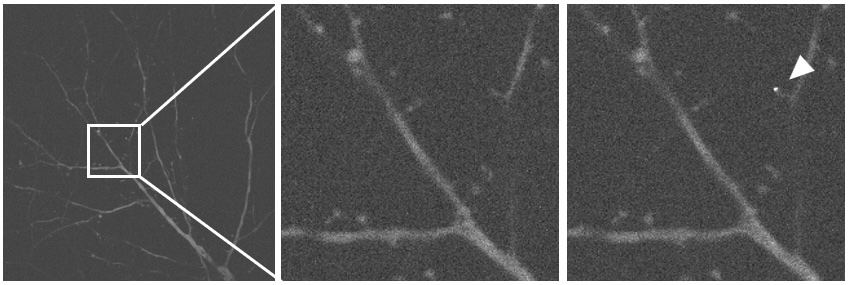
Within the framework of the ERC Starting Grant project, LEXSYN (10.3030/101161748), we investigate neuronal lysosomal exocytosis. In our previous work (Grochowska et al., 2023), we demonstrated that lysosome, a main degradative organelle, can release protein cargo to the extracellular space in activity-dependent manner. Of particular interest are proteins whose cellular copy number balances on the aggregation tipping point making them more prone to losing equilibrium and be more susceptible to aggregation - so-called metastable proteome. Key questions include: How is this process regulated in the brain? What are the consequences of lysosomal fusion with the plasma membrane? Can glial cells sense lysosomal fusion? Can we manipulate this process to prevent protein aggregation associated with age-related neurodegenerative diseases like Huntington's disease, Alzheimer's disease, and Frontotemporal dementia?
The Role of Chaperone-mediated Endolysosomal Degradation (CMED) in Presynaptic Proteostasis
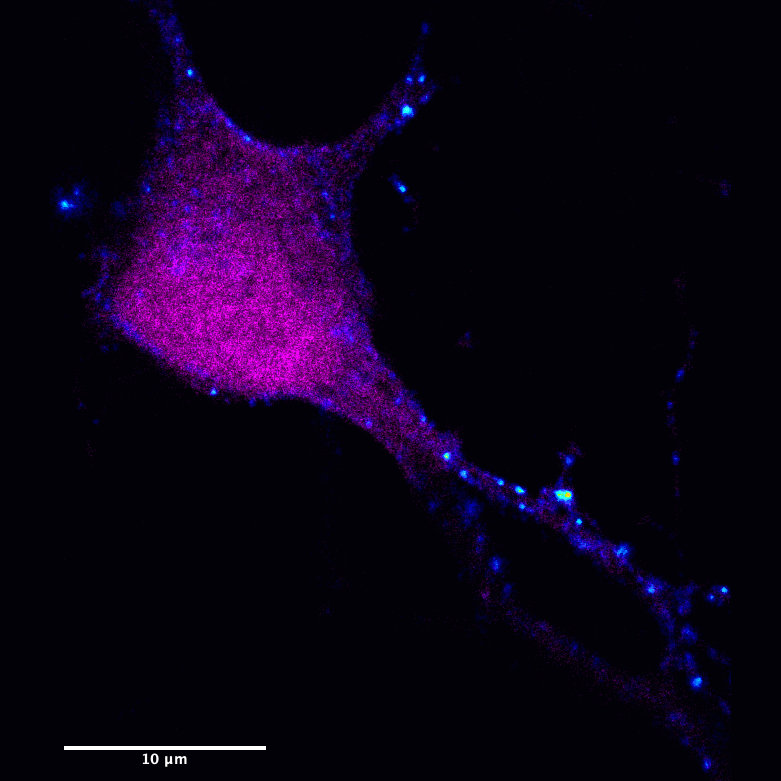
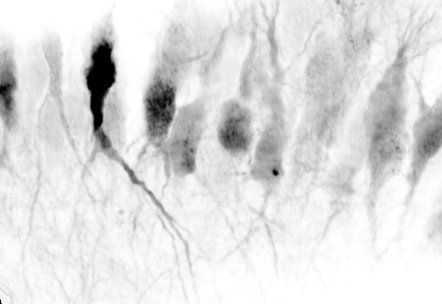
Many presynaptic proteins, like Bassoon and Piccolo, are large, short-lived, and poorly soluble; they belong to the supersaturated proteome – a group of proteins balancing at the aggregation tipping point. These proteins undergo liquid-liquid phase separation to form presynaptic condensates while maintaining continuous exchange between condensed and cytosolic phases. It is unclear, however, which machineries regulate the turnover of these proteins and how are they regulate presynaptic function. Within the framework of (FOR5228 Syntophagy), together with teams headed by Noam Ziv (Haifa, Israel) and Christian Rosenmund (Berlin, Germany), we will employ nanoscopy techniques, advanced live-imaging assays, correlative light-electron microscopy, and mass spectrometry to provide a systematic description of mechanisms regulating presynaptic proteome. We particularly focus on the chaperone-mediated endolysosomal degradation (CMED) – an umbrella term encompassing both chaperone-mediated autophagy (CMA) and endosomal microautophagy (eMI) – in presynaptic protein homeostasis.
Molecular mechanisms of long-term synaptic plasticity in inhibitory parvalbumin interneurons to modulate fast network oscillations
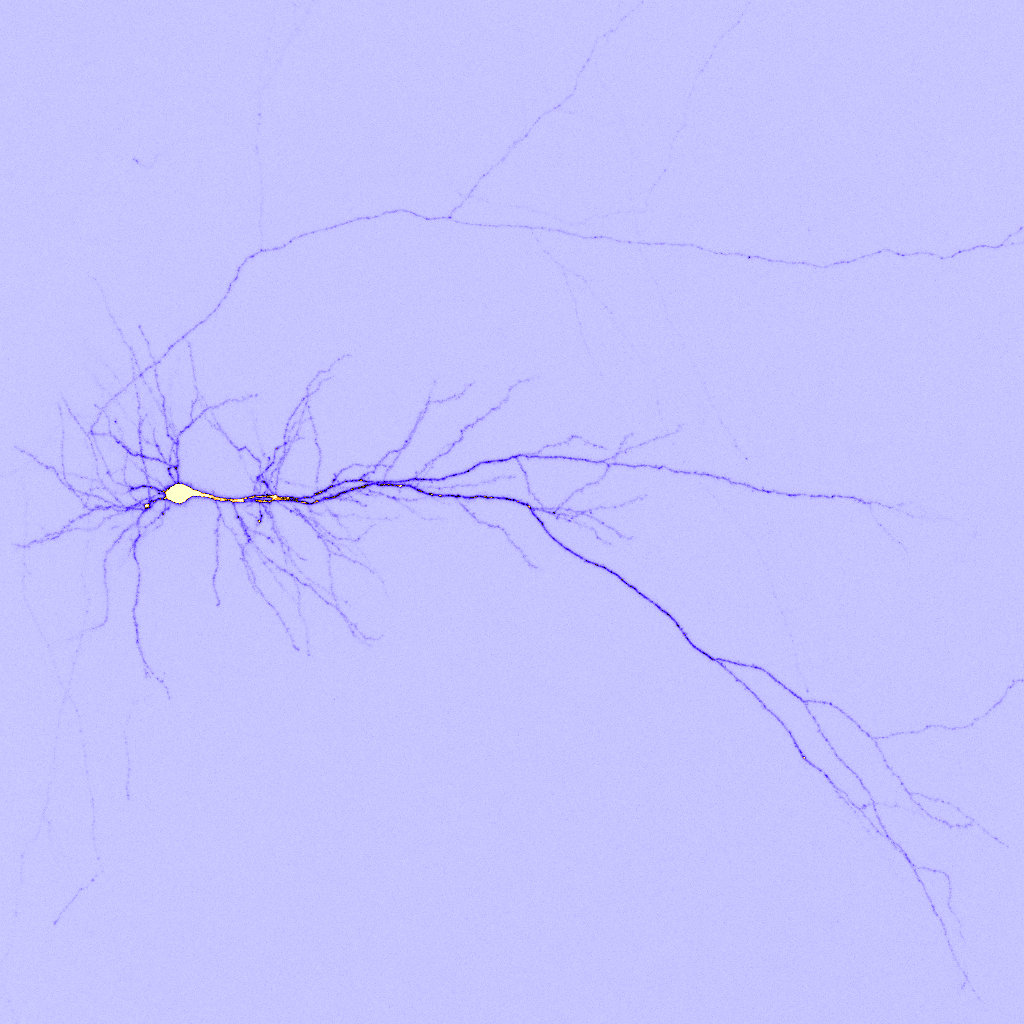
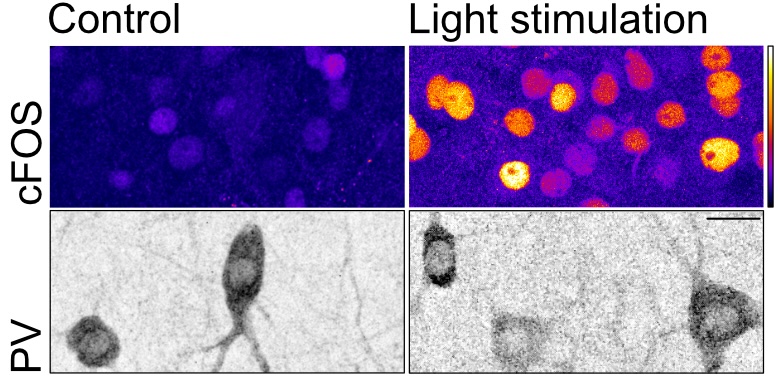
Parvalbumin interneurons (PVs) have been identified as important generators of neuronal network oscillations. Emerging evidence indicates that the strength of reciprocal PV inhibition is adjusted through cell-autonomous mechanisms, yet the molecular rules governing their postsynaptic plasticity remain unknown. Together with Tatjana Tchumatchenko (Bonn, Germany) we integrate experimental and computational approaches to elucidate those rules and investigate how lysosome-controlled protein synthesis and degradation regulate inhibitory coupling between PVs and fast network oscillations in vitro in organotypic slices and in vivo.
Team

Alumni
Selected Publications
Funding
Current
Past
Contact
We are always happy to hear from prospective students, postdocs and collaborators. Please get in touch by email. All currently open positions are advertised on the FENS job market.
